Saving Native Sod On Your Site
March 2026
One of my techniques that has proven successful is actually stripping the native sod, not just the topsoil. Essentially you are saving the native plants to replant on the site at a later date.
This is a significant investment, as somebody needs to take care of your plants while your construction is being completed. However, when you look at the diversity of plants within each shovel of native sod, it is virtually impossible to duplicate by buying native plants later and trying to recreate what was there before the soil was disturbed. Not all of the plants are commercially available, and you are paying the cost of each one — as opposed to preserving and replanting the originals.
It is critical that the areas you and your contractor or landscape architect choose to strip have been inventoried and evaluated for native plants and weeds. This requires whoever is doing it to have a high level of knowledge of the local native plants as well as weed species, particularly invasive ones.
You don’t want to spend the money storing native sod that is full of weed species. Below are some of the key steps in this process.
Saving Native Sod
- Inventory and evaluate areas for sod removal for native plant diversity and weed content.
- Identify key areas for sod removal.
- Look at soil type and decide if there is enough and suitable native topsoil to support the sod. It is really difficult on a gravelly site, with minimal topsoil, to lift native sod intact.
- Some of the plants, such as small shrubs, have long root systems, and some plants like Balsamroot have a tap root that makes them very hard to transplant in a shallow sod.
- Scoop the native sod with a small skid steer or tractor with a small bucket.
- Place the sod into plastic nursery flats or something similar to store it in. I have found over the years that 2½” deep trays lined with newspaper work best. The newspaper creates a temporary bottom for the tray but decomposes over time, allowing the roots to form a mat.
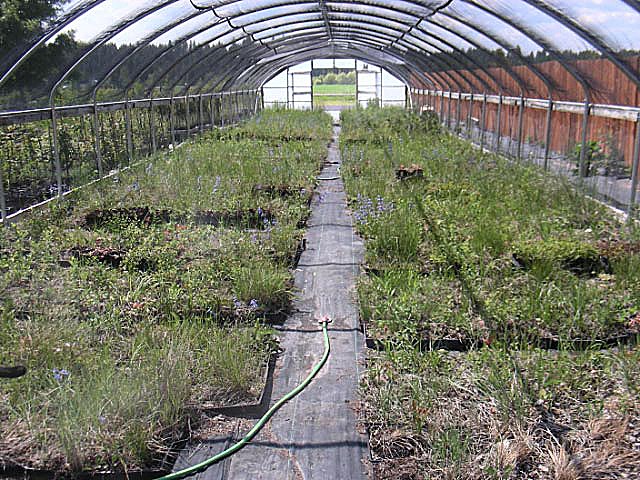
- Move the sod off site to a hoop house, where it can be watered, fed, and cared for over the course of construction — sometimes as long as two years.
- After construction, the flats are weeded, then returned to site and replanted.
My next post will cover preserving as much of your native topsoil as possible before construction and landscaping begins.
Got a question, a thought, or just want to talk about what’s growing on your property? Reach out — I love these conversations.