Project Pre-Planning to Minimize Disturbance and Protect Native Species
March 2026
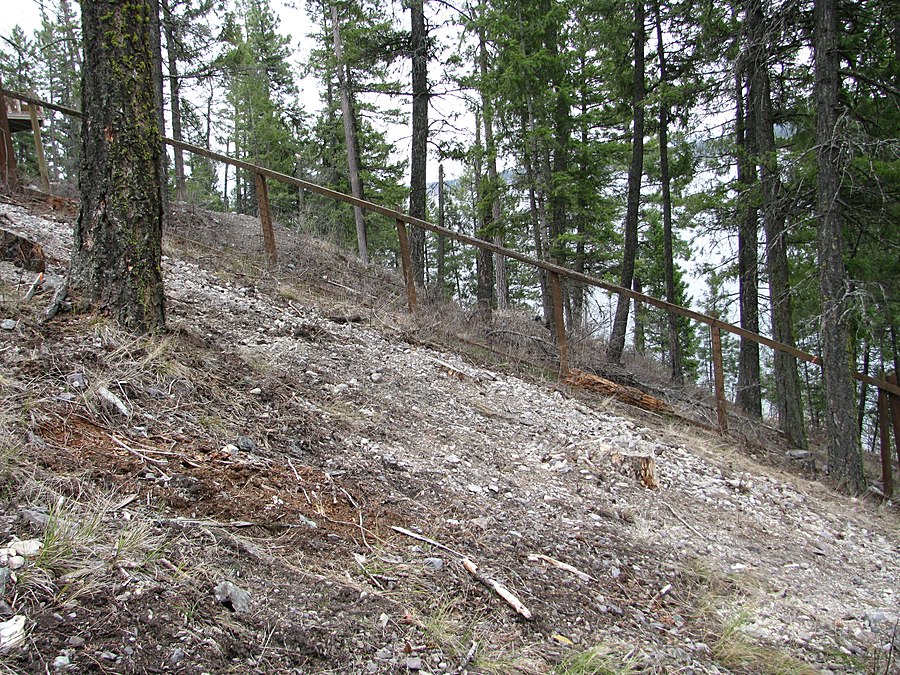
Weeds are the bane of any native restoration or landscaping that incorporates native species. Disturbed areas like the post-excavated site in this photo are ripe for weeds to be unknowingly introduced. One of the biggest difficulties of site work for new building construction and landscaping is minimizing the extent of disturbance.
When contractors are on site, their primary focus is to get the work done in the most efficient way for them to complete their part of the project. It is a rare contractor who is really sensitive to native plant disturbance.
That means you need your general contractor on board early, agreeing up front on how the work will be done, and make sure he realizes this is a priority to you. Or, alternatively, oversee the site yourself starting from the moment equipment first arrives — or hire someone to oversee the site work, material storage, and parking.
It is difficult, as there are many vehicles that access a construction site and they need turn-around space and material storage space. You also will have large areas disturbed outside of the building envelope to accommodate septic and utility lines. All of this requires disturbance, and it’s unavoidable.
There are a few key tips in site work that are important — and worth putting in writing in your contract, not just agreeing to verbally. A handshake promise is easy for a contractor to forget once the job gets busy; a line in the contract isn’t.
Site Work
- Be very sure that any excavation equipment coming onto site is clean — power washed down so it isn’t carrying weed seeds from other sites.
- Be adamant your contract specifies that fill, gravel, and pit run come from a clean site that isn’t infested with knapweed, cheatgrass, and other invasive weed species.
- Rope off areas for contractor parking.
- Rope off areas that cannot be disturbed.
- Use silt fencing and other methods to control surface run-off from disturbed areas.
The next posts will cover how your contractors can help save your native sod and native topsoil whenever possible.
Got a question, a thought, or just want to talk about what’s growing on your property? Reach out — I love these conversations.