Saving Native Top Soil during Site Preparation
March 2026
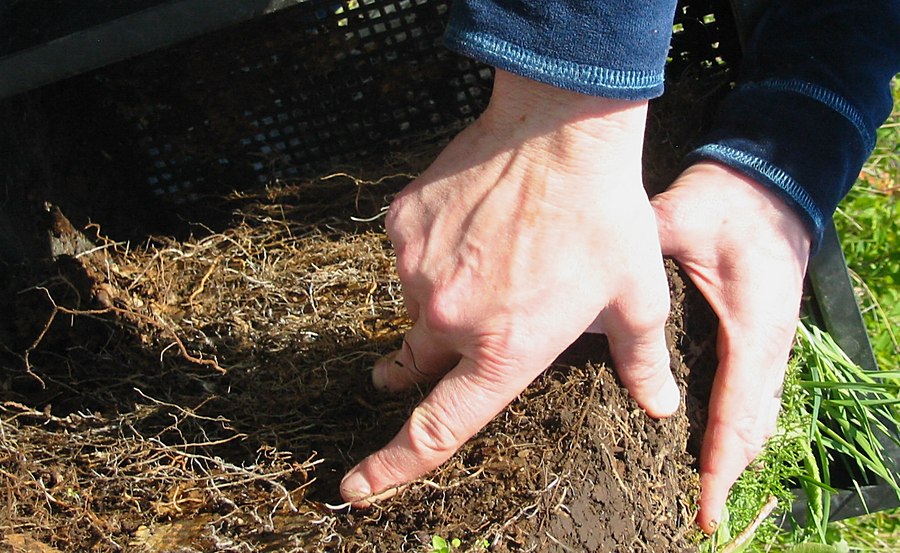
Our final key component of preserving and restoring native plants on your land is retaining as much native topsoil from your site as possible.
When we bring in topsoil from off site we not only bring in the soil, but often many of the weeds and other seeds from the source site. The less topsoil brought in the better.
In ornamental, non-native plantings, I can control weeds with weed mats and selective herbicide or weed control. However, in native areas, this is really difficult. I will bring in commercial topsoil for ornamental areas but stockpile soil from the landscaping site and retain it for the native areas.
Here are a few key tips in saving native topsoil during site work.
Saving Native Top Soil
- Have a native plant inventory done by a knowledgeable person prior to excavation; then set aside areas that have a good variety of native plants and are weed-free.
- Excavate topsoil from areas to be excavated, landscaped, or graded.
- Avoid mixing your native topsoil with foreign materials.
- Do not excavate wet topsoil.
- Stockpile native topsoil in an area designated on site, to a depth not exceeding 6′ for sandy soil, 3.5′ for silt soils, and 1′ for clay soils.
This is done to keep the microorganisms in the soil alive — when soil is stockpiled too deep, those vital organisms die off.
- Protect from erosion. Cover the stockpile to protect it from water and blowing weeds.
- Once site work is completed, or a disturbed area is finished being disturbed, apply the topsoil and avoid compacting it when laying it down. It is now ready to plant with native plants or native reseeding.
If you have a topic on local native plants, landscaping design, noxious weeds, or anything else you’d like me to write about, send your idea or question my way. If I have the knowledge and can find the time, I’ll do my best to turn it into a post.
Got a question, a thought, or just want to talk about what’s growing on your property? Reach out — I love these conversations.